

Thabo Msibi was born in a small rural village called Ntabamhlophe in the KwaZulu-Natal province of South Africa and, until he was 10, was educated at a township school. Very few children from South African townships go on to higher education – only 14% of young people go on to higher education, compared with 65% of whites.
Thabo has not only completed his undergraduate degree in education at the University of KwaZulu-Natal, but won a scholarship to Columbia University to do an advanced masters degree and is now doing a PhD at Cambridge, courtesy of the Gates Cambridge Scholarship Programme.
With support from teachers and the school cashier, he was accepted to the University of KwaZulu-Natal to study education. There he met another mentor who encouraged him and helped him to feel good about himself. He set up the Community Development Association, a widening participation initiative aimed at bringing secondary school students from township schools to the University of KwaZulu-Natal for a week to learn leadership skills.
Thabo also founded another debating league. His teaching course was four years long, with a focus on social justice. During it, he won several scholarships, including a Fulbright scholarship to study anthropology at Columbia University’s Teachers College, but he found New York unfriendly and did not enjoy the course. He switched to international education development and realised he already had a masters equivalent from the University of KwaZulu-Natal so could finish his course in one year, rather than two.
During that year he applied for the Gates Scholarship programme, initially for an MPhil. However, when he arrived at Cambridge [where he is based at Pembroke College], he realised he was repeating work, appealed to be allowed to do a PhD and was accepted. He is studying changing attitudes to masculinity in South Africa and aims to produce a DVD about gender, homophobia and HIV/Aids to use in schools next year. He lectures in HIV/Aids education at the University of KwaZulu-Natal and says attitudes to homosexuality are changing among younger people, but there is still a lot of prejudice, including among teachers. He is interested in looking at how male teachers construct their sexual and professional identities in post-apartheid South Africa.
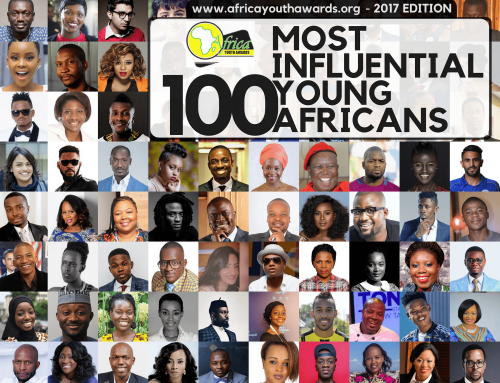
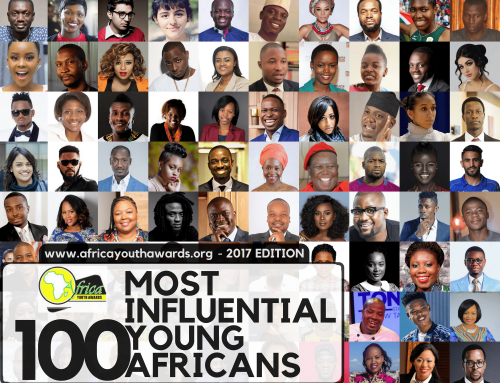
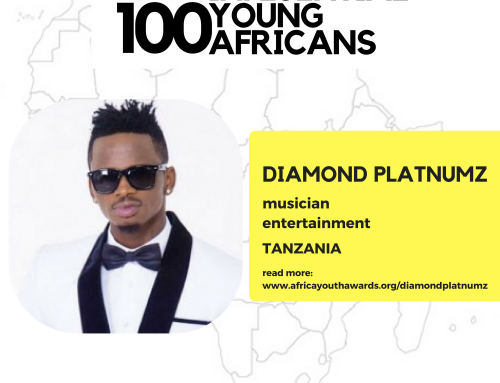
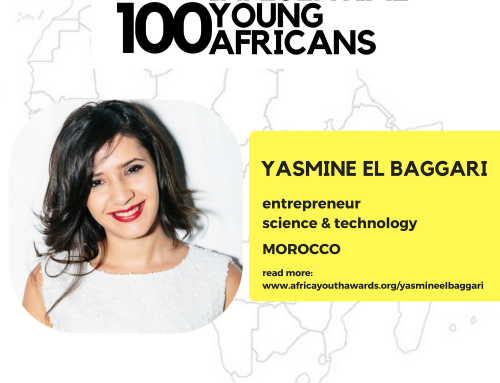
In 2017 Africa Youth Awards named him among the 100 Most Influential Young Africans, an initiative instituted to promote African youth movements and achieving and also restoring excellence in the works of young people across Africa.

Leave A Comment